Why Does My Scalp Hurt When My Hair Is Dirty?
Veloura
6/11/20262 min read
If your scalp feels sore, tender, or uncomfortable when your hair gets dirty, you’re not imagining it. Many people notice scalp pain after going too long without washing, especially if oil, sweat, and styling products start building up around the roots.
A dirty scalp can irritate hair follicles and increase sensitivity, making even simple things like brushing your hair or tying it up feel uncomfortable. Fortunately, small changes to your hair care routine can often reduce scalp tenderness and help your hair feel fresher for longer.
Key Takeaways
Oil, sweat, and buildup can irritate the scalp and create soreness.
Tight hairstyles and dry shampoo buildup may worsen tenderness.
Gentle cleansing and scalp care routines can reduce discomfort.
Why a Dirty Scalp Can Feel Painful
Your scalp contains thousands of hair follicles, oil glands, and nerve endings. When excess oil, dead skin cells, sweat, and styling products collect around follicles, irritation can develop.
This buildup may create:
Tender roots
Tight or itchy scalp sensations
Mild inflammation
Increased sensitivity when touching hair
For some people, scalp pain feels similar to soreness after wearing a tight ponytail all day.
Excess Oil and Scalp Irritation
Sebum is the natural oil your scalp produces to protect hair and skin. However, too much oil can trap dirt, sweat, and bacteria close to the scalp surface.
When this happens, follicles may become irritated and uncomfortable. Oily buildup can also weigh hair down, making roots feel heavy and greasy much faster.
People with fine hair often notice this sooner because oil spreads quickly through thinner strands.
Product Buildup May Make It Worse
Dry shampoo, hairspray, mousse, and leave-in products can create additional residue on the scalp.
If products are not fully washed away, they may:
Block follicles
Increase itching
Create scalp tightness
Cause tenderness near the roots
Using a clarifying shampoo once every 1–2 weeks may help remove buildup more effectively.
Tight Hairstyles and Scalp Stress
Hair tension is another common reason your scalp hurts.
Styles that pull on the roots — including slick buns, tight ponytails, or extensions — can stress follicles and increase inflammation. If your scalp already has oil buildup, tension may feel even worse.
Try wearing looser hairstyles occasionally and avoid sleeping with tight hair ties.
How to Relieve a Sore Scalp
Simple changes can often reduce discomfort quickly.
Wash Gently but Consistently
Use a gentle shampoo that removes oil without over-drying the scalp. Focus shampoo on the roots rather than the ends of your hair.
Massage the Scalp Carefully
Light circular motions during washing may improve circulation and loosen buildup without irritating the skin.
Reduce Heavy Products
Try lighter styling products if your scalp feels greasy or coated quickly.
Clean Brushes and Pillowcases
Hair brushes and pillowcases collect oil and bacteria over time. Washing them regularly can help keep the scalp cleaner.
Can Rosemary Oil Help?
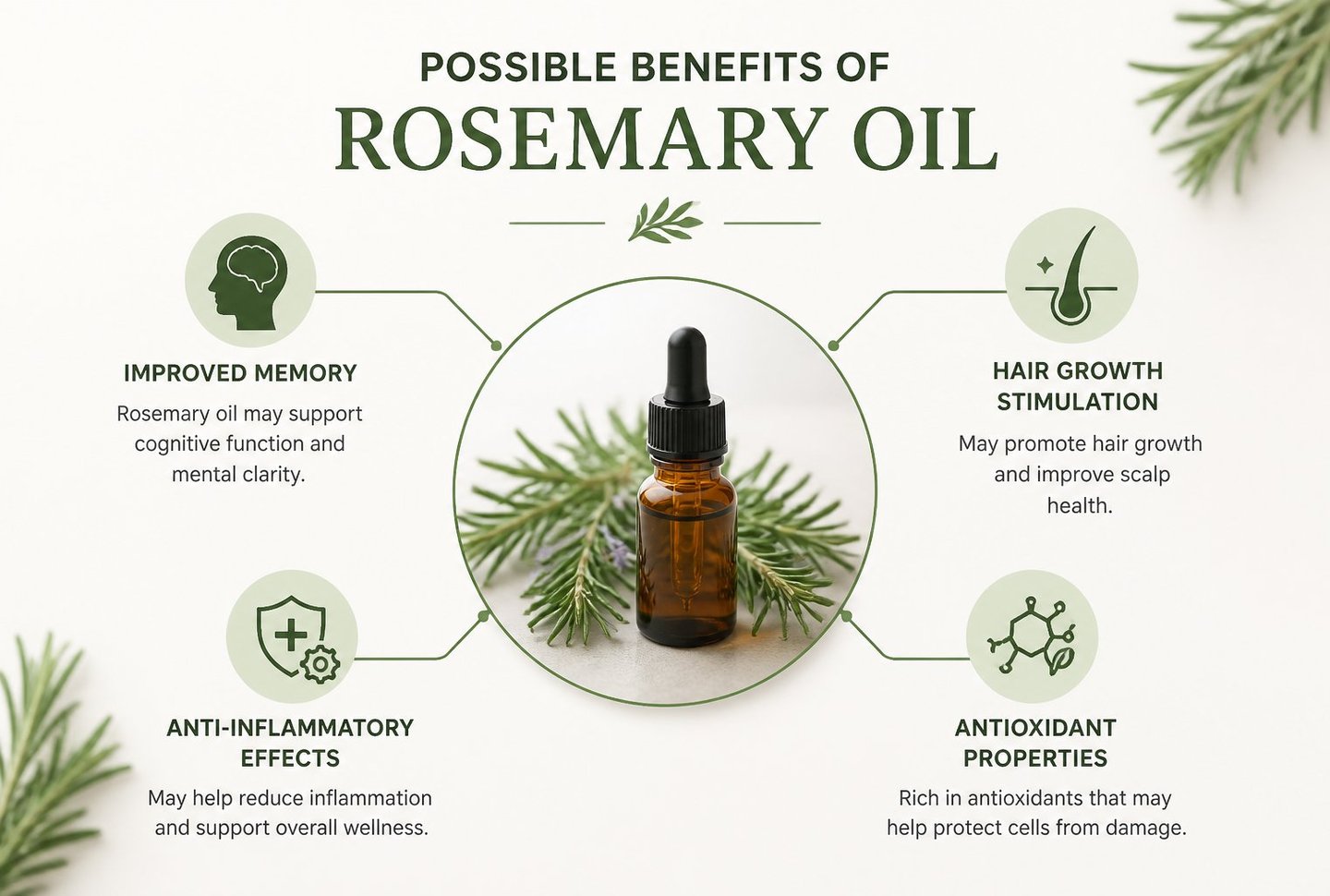
Some people use diluted rosemary oil as part of a scalp wellness routine. Rosemary oil may support circulation and help soothe dryness when mixed properly with a carrier oil.
However, too much oil or undiluted essential oils may irritate sensitive scalps further. Always patch test before applying new products.
Final Thoughts
A sore scalp after several days without washing is usually linked to buildup, oil, irritation, or tension around the hair follicles. The good news is that small routine changes often make a noticeable difference.
Keeping your scalp balanced — rather than overly dry or overly oily — is usually the best approach for healthier, more comfortable hair.
Contact
Questions? Reach out anytime, we're here.
Phone
Veloura_Co@outlook.com
© 2025. All rights reserved.