Why Does My Hair Feel Oily but My Scalp Feels Dry?
Veloura
6/11/20262 min read
It can feel confusing when your hair looks greasy while your scalp still feels tight, flaky, or dry. Many people assume oily hair means their scalp is fully moisturized, but scalp oil and scalp hydration are not the same thing.
Your scalp can overproduce oil while still lacking proper moisture balance. This often happens because of overwashing, harsh products, weather changes, or buildup that disrupts the scalp barrier.
The good news is that balancing an oily yet dry scalp usually comes down to gentler routines and smarter product choices.
Key Takeaways
Oiliness and dryness can happen at the same time.
Harsh shampoos and overwashing may worsen scalp imbalance.
Lightweight hydration and gentle cleansing often help restore comfort.
Why Oil and Dryness Can Exist Together
Your scalp naturally produces sebum to protect hair and skin. However, when the scalp becomes irritated or dehydrated, it may react by producing even more oil.
This creates a frustrating cycle:
Dry scalp feels tight or itchy
Oil glands overcompensate
Hair becomes greasy quickly
More washing strips the scalp again
Over time, the imbalance may become more noticeable.
Common Causes of an Oily Yet Dry Scalp
Overwashing Hair
Washing too frequently with strong shampoos can remove too much natural oil. Your scalp may respond by increasing oil production.
Harsh Hair Products
Products with heavy alcohols, strong sulfates, or excessive fragrance may irritate sensitive scalps.
Weather and Indoor Heating
Cold weather and indoor heating can dry out scalp skin while oil production continues normally.
Product Buildup
Dry shampoo, silicone-heavy products, and hairsprays may trap oil and dead skin close to the scalp surface.
Signs Your Scalp Barrier May Be Disrupted
You may notice:
Tightness after washing
Itching or flaking
Greasy roots within hours
Sensitive scalp when brushing hair
Hair that feels heavy but scalp that feels uncomfortable
These symptoms often point to imbalance rather than simply “too much oil.”
How to Balance an Oily Dry Scalp
Use Gentle Shampoo
Choose lightweight shampoos designed for balancing or sensitive scalps rather than extremely stripping formulas.
Avoid Very Hot Water
Hot water may worsen dryness and irritation. Lukewarm water is usually gentler.
Moisturize Carefully
Light scalp serums or diluted oils may help support moisture without making hair excessively greasy.
Reduce Dry Shampoo Use
Dry shampoo can help temporarily, but excessive use may worsen buildup and irritation.
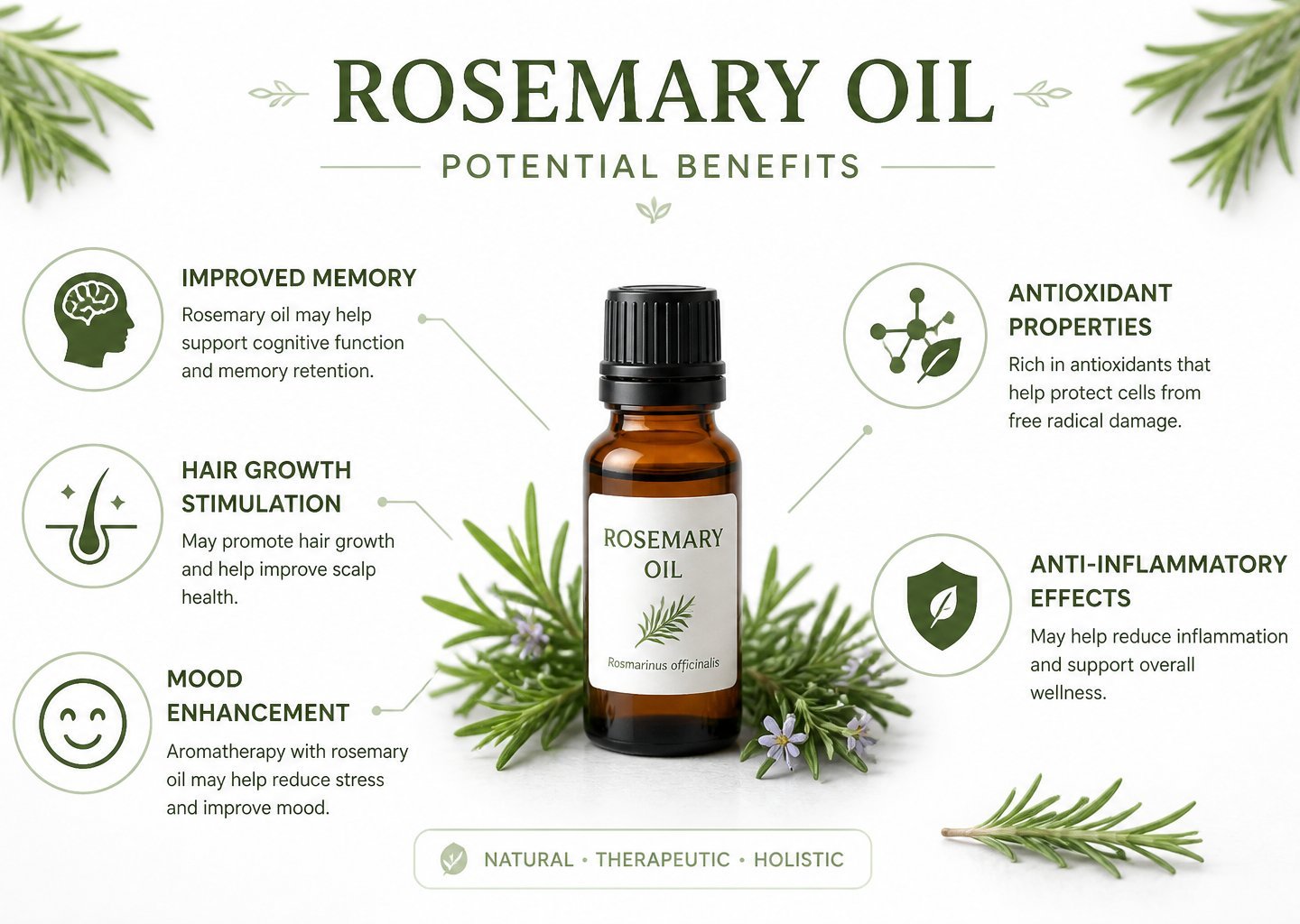
Can Rosemary Oil Help?
Diluted rosemary oil may support scalp circulation and reduce feelings of dryness for some people. When mixed with lightweight carrier oils like jojoba or grapeseed oil, it can fit into a balanced scalp routine.
However, essential oils should always be diluted properly before use.
Final Thoughts
An oily scalp does not always mean a healthy scalp. Sometimes excess oil is actually a sign your scalp barrier is stressed or dehydrated.
Focusing on balance — not aggressive oil removal — usually leads to healthier-looking hair and a more comfortable scalp over time.

Contact
Questions? Reach out anytime, we're here.
Phone
Veloura_Co@outlook.com
© 2025. All rights reserved.