Scalp Oiling Routine: How Often to Oil Scalp with a Rosemary Oil Routine for Healthy Hair
Veloura
6/10/20264 min read
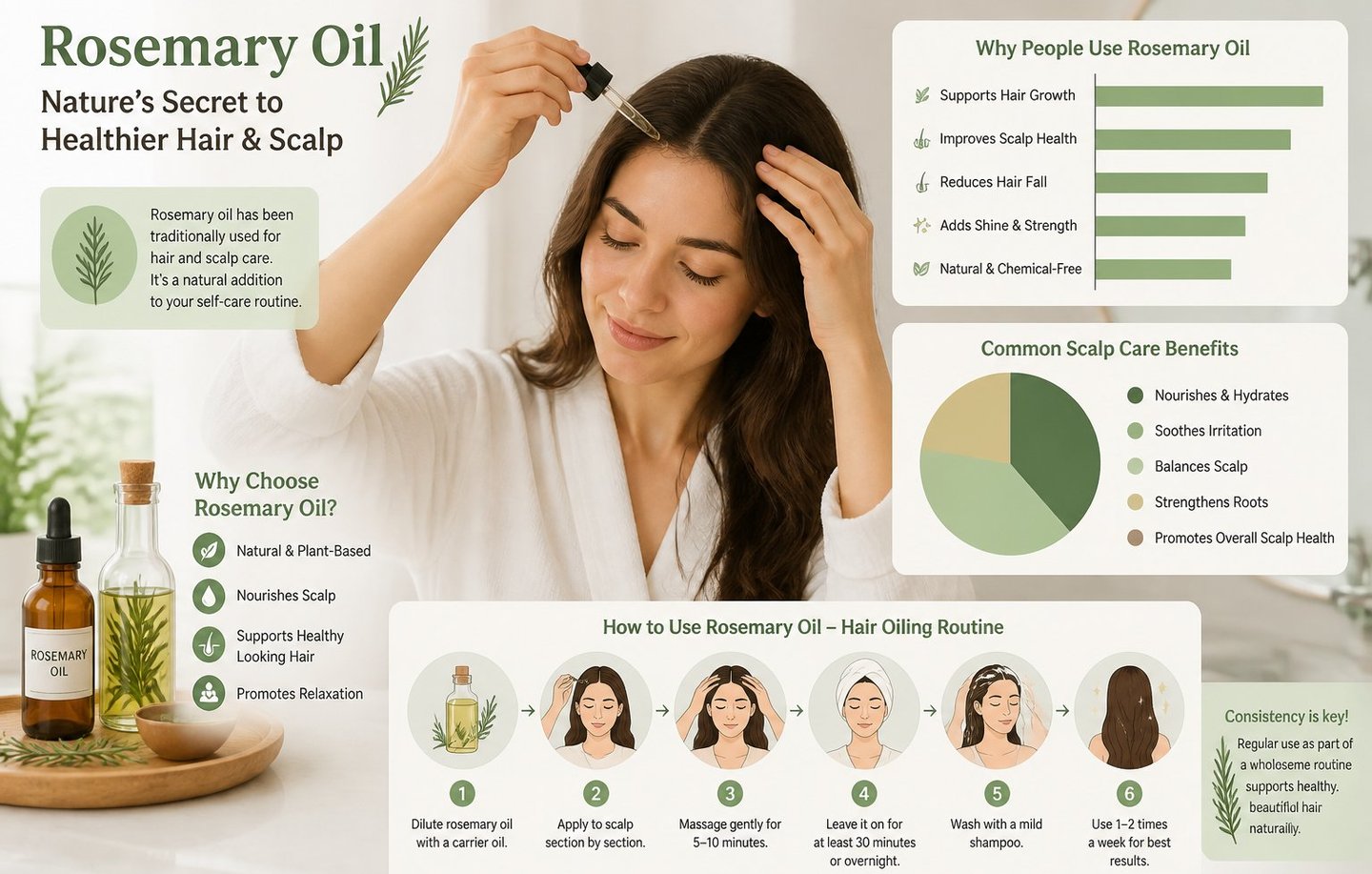
You can make a simple scalp oiling routine that fits your schedule and hair type, and rosemary oil can boost scalp health when used regularly. Start by oiling about 1–3 times per week for normal hair; adjust to more or less based on how oily your scalp, hair texture, and styling habits react. For most people, using rosemary oil diluted in a carrier oil 2–3 times weekly and massaging for 5–10 minutes gives a good balance of scalp circulation and conditioning.
Keep the routine short and consistent: focus on a light scalp massage, leave the oil on for at least 30 minutes or overnight if your hair tolerates it, then wash with your usual shampoo. Track how your scalp responds over a few months and change frequency if you see more oiliness, buildup, or dryness.
Key Takeaways
Tailor oiling frequency to your scalp type and hair needs.
Short, regular massages help scalp circulation and absorption.
Use diluted rosemary oil a few times weekly for added scalp support.
Key Factors Influencing Scalp Oiling Frequency
Your hair type, daily routine, and scalp health shape how often you should oil. Look for scalp signs like buildup, itch, or flaking and match oiling to your hair texture, activity level, and weather.
Hair Type and Texture Considerations
If you have fine or straight hair, oiling once every 1–2 weeks often works best. Fine strands get weighed down and look greasy faster, so use a light oil (like grapeseed) and apply mainly to the roots if you need extra scalp care.
For wavy, curly, or coily hair, you may oil once or twice a week. These textures tend to be drier because natural oils travel down the shaft more slowly. Focus on the scalp and the length to reduce breakage and frizz; use heavier oils (like coconut or jojoba) if your hair feels brittle.
If your scalp is naturally oily, cut back to every 2–3 weeks or skip scalp oiling and use oils only on the ends. Oily scalps can trap oil and lead to buildup and odor. For mixed scalps (oily roots, dry ends), apply oil just to the mid-lengths and ends, and avoid the immediate hairline.
Lifestyle and Environmental Impacts
If you exercise daily or sweat a lot, oil less frequently. Sweat traps oil and creates buildup that can irritate follicles. Try oiling on non-workout days or after a deep clean to keep pores clear.
If you live in a dry climate or heat your home often, you may need oiling more often—about once a week—to restore moisture. Cold, windy weather also strips oils from hair, so add an extra oiling session during winter months.
If you swim in chlorinated or salty water, rinse and oil more often. Chlorine and salt dry hair and weaken strands. Use a clear routine: rinse after swimming, use a clarifying shampoo when needed, then apply a protective oil to the ends.
Common Signs of Over-Oiling
Watch for heavy, greasy roots within a day of oiling. That means you used too much or oiled too often. Reduce frequency and concentrate oil on the mid-lengths and ends instead of the scalp.
Visible buildup, itching, or increased dandruff after oiling signals a problem. These signs often come from clogged pores or leftover product. Try a clarifying shampoo and skip oiling for two weeks to reset your scalp.
Slow hair growth or hair falling out in clumps after an oiling routine can mean irritation or follicle blockage. If trimming and gentler oiling don’t help, stop oils and consult a dermatologist. Small amounts of oil should not cause large-scale shedding.
Adjusting Frequency for Different Needs
If you use rosemary oil for growth, dilute it in a carrier oil and start with once weekly. Rosemary can stimulate scalp circulation, but concentrated use can irritate sensitive skin. Increase to twice weekly only if your scalp tolerates it.
If you want oiling for scalp massage and relaxation, once a week for 10–15 minutes works well. Keep pressure gentle and use a small amount of oil to avoid buildup.
For hair repair after chemical treatments or heat damage, oil twice weekly to the lengths and ends only. Focus on hot-oiling methods sparingly—use low heat and rinse thoroughly—to add moisture without clogging the scalp.
Incorporating Rosemary Oil for Enhanced Scalp Health
Rosemary oil can boost circulation, calm mild inflammation, and support stronger hair follicles when used correctly. You’ll learn what it can do, how to apply it safely, and how to mix it with carrier oils for best results.
Benefits of Rosemary Oil for the Scalp
Rosemary oil may increase blood flow to the scalp, which helps deliver nutrients to hair follicles. Improved circulation can support healthier hair growth and reduce shedding over time.
It has mild anti-inflammatory and antimicrobial properties that can soothe irritation and help control dandruff. These effects can make your scalp less itchy and lower flakiness when used as part of a routine.
Research suggests rosemary oil can perform similarly to low-dose topical hair treatments for some users, though results take weeks to months and vary by person. Use consistent, regular applications and track progress with photos or notes.
Proper Application Techniques
Always dilute rosemary essential oil before touching your scalp. Mix 3–5 drops of rosemary oil into 1 tablespoon (15 ml) of carrier oil for a safe starting ratio.
Apply the diluted mix in sections, using fingertips to massage 3–5 minutes. Focus on areas with thinning or dryness and avoid rubbing hard; firm, circular motions improve circulation without damaging hair.
For treatment timing, leave the oil on 20 minutes to overnight depending on your hair type. Rinse with a gentle shampoo when you finish. Use once or twice weekly for most scalps; very oily hair may prefer once weekly.
Blending Rosemary with Carrier Oils
Choose a carrier oil that matches your scalp needs: jojoba for balanced oil, coconut for deep conditioning, or grapeseed for lighter finish. Each carrier changes absorption and feel.
Blend with these simple ratios:
1 tbsp carrier oil + 3–5 drops rosemary oil — general use
1 tbsp carrier + 6–8 drops rosemary + 1 drop tea tree — for dandruff-prone scalps
2 tbsp carrier + 8–10 drops rosemary — for dry, coarse hair
Store blends in a dark bottle and test on a small skin patch for 24 hours before full use. Stop use if you get redness, burning, or a rash.

Contact
Questions? Reach out anytime, we're here.
Phone
Veloura_Co@outlook.com
© 2025. All rights reserved.